Produced by Warren E. Clark · [email protected] · +1.847.836.5100 mobile: voice, text & WhatsApp
The Signal
AI in agriculture is splitting into two distinct commercialization tracks — capital-intensive bioprocess optimization in Europe, and government-distributed field hardware in Africa. Both are scaling, but neither looks like the VC-funded startup narrative. Smart money follows what actually works in the field. — Warren
The 2026 Salinas Biological Summit returns to Salinas June 23-24. Bringing global stakeholders together to support growers’ transition to a biological future.
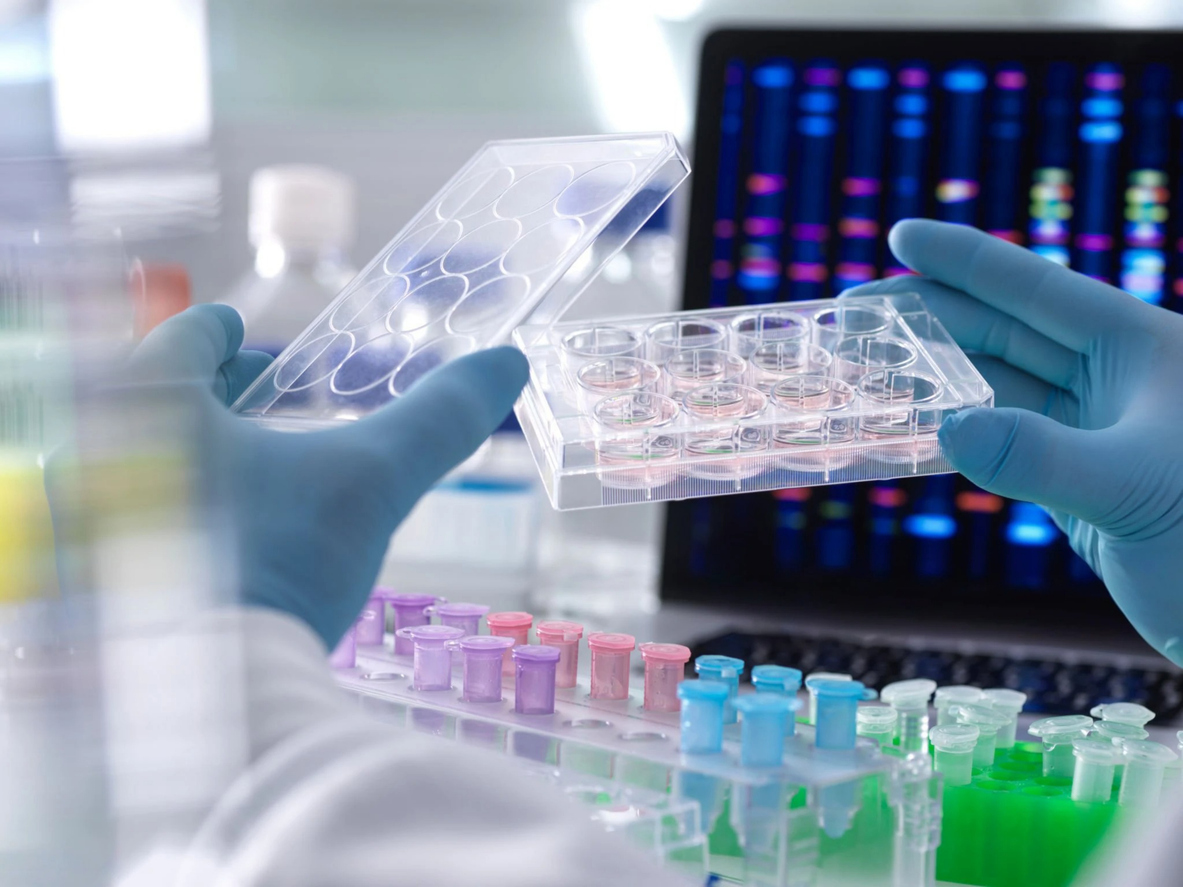
At the Hello Tomorrow Summit in Amsterdam, biotech and venture leaders agreed that AI is already transforming scientific discovery in agrifood — but cautioned it is not useful everywhere. SOSV general partner Pae Wu said AI systems have demonstrated capacity to unravel causality in biology in ways previously impossible. However, speakers pushed back on the idea that personalization — a dominant theme in Silicon Valley — maps well onto mass-market food production. Biotope Ventures head Annick Verween argued that optimizing for commonalities makes more sense at scale than tailoring products to individuals, suggesting AI’s highest value in food may lie in process optimization rather than consumer-facing personalization.
Why it matters: The agrifood biotech sector has spent years chasing AI-powered personalization. These comments from active investors at a major summit signal a potential strategic pivot: AI may create more value optimizing biomanufacturing and ingredient function than customizing end products. For founders and funders, this reframes where to place AI bets in the food-tech stack.
AI Angle: Machine learning models are being applied to unravel biological causality and optimize biotech processes at scale, moving beyond consumer-facing personalization into core biomanufacturing optimization.
Dutch startup Vivici has been awarded €12.5 million ($14.4 million) through the European Innovation Council Accelerator Program to scale production of dairy proteins via precision fermentation. Formed by Fonterra and DSM-Firmenich in 2022, Vivici recently integrated novel cell productivity technology from Danish startup Enduro Genetics, enabling a dramatic increase in titers and yields. The company has attained FDA GRAS status for beta-lactoglobulin and self-GRAS status for lactoferrin, and has struck a deal with Liberation Bioindustries to produce its proteins in Indiana.
Why it matters: Precision fermentation has struggled with unit economics at scale. Vivici’s combination of big-ag incumbent backing, EIC grant funding, and rapid regulatory progress suggests the sector may be approaching commercial viability for dairy proteins. The US manufacturing deal is a concrete step toward market entry.
AI Angle: Vivici uses AI-driven strain optimization and bioprocess modeling to maximize protein titers and yields in precision fermentation, integrating predictive analytics across the biomanufacturing pipeline.
GreenTech Amsterdam 2026 drew 11,600 visitors from 123 countries, with a clear shift from individual product demos toward integrated autonomous solutions. Exhibitors highlighted crop care robotics as a centerpiece, and the new Impact Award recognized contributions addressing labor shortages and energy efficiency. Ministerial delegations from the Netherlands, UAE, Qatar, Kazakhstan, and Brazil attended.
Why it matters: The largest European greenhouse and horticulture trade show signaled that AI-driven crop care robotics has moved from pilot to mainstream in controlled environment agriculture. When ministerial delegations from five countries attend to scout automation technology, the policy-level commitment to robotic farming is no longer theoretical.
AI Angle: Crop care robotics — using computer vision, autonomous navigation, and AI-driven decision making for pest detection, pruning, and harvesting — was the dominant technology category at the show, representing the maturation of integrated autonomous systems in CEA.
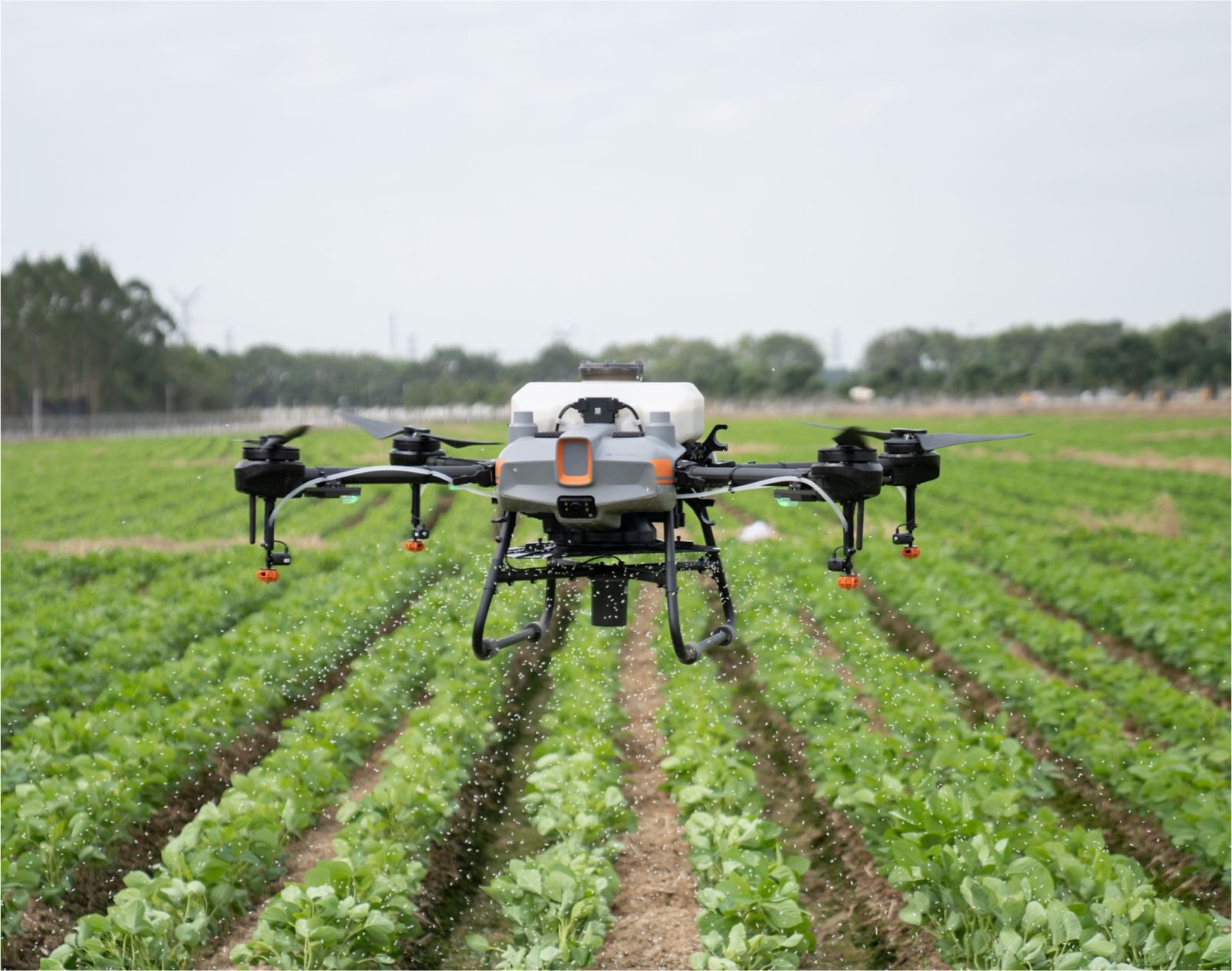
Ghana’s Minister for Food and Agriculture distributed 5 agricultural drones alongside 40,000 bags of fertilizer to the Peasant Farmers Association. The drones will monitor farms, detect crop stress, identify pests early, and map fields. The Minister called the initiative a shift from ‘guesswork to data, from traditional to precision production.’
Why it matters: Most drone-in-agriculture coverage focuses on North American or European deployments. A government-led distribution program in West Africa signals that precision agriculture is becoming a policy priority in emerging markets where smallholder productivity gains could have outsized food security impact.
AI Angle: The distributed drones use AI-powered computer vision for real-time crop stress detection, pest identification, and field mapping — translating aerial imagery into actionable agronomic recommendations for smallholder farmers.
AgPR — the news release distribution service for agriculture shares your news with top ag journalists, editors, broadcasters, bloggers, podcasters and content producers.