Produced by Warren E. Clark · [email protected] · +1.847.836.5100 mobile: voice, text & WhatsApp
Weekly Roundup: a farm data-layer buy, half of US farmers see no AI payoff, a robot that decides for itself, and California’s 1977 tractor rule survives.
The Signal: The machinery got smarter this week. The buyers and the rulebooks did not. California’s 1977 tractor rule survived another session, and 52% of US farmers told Purdue that farm AI delivers no real payoff. Money still moved — into the data layer, crop genetics and labor-saving robots. Watch adoption numbers next, not announcements.
The week split into capability and permission. Oracle put cloud and sensor tools behind AI-driven crop genetics. A Spanish robot began deciding its own work. Southern Illinois built a machine that reads soybean disease before a farmer can see it. Against all that, California’s 47-year-old tractor rule survived another session, and a Purdue survey found 52% of US farmers see no real benefit from the data tools they are sold. You’ll find the stories below that mattered most.
— Warren
Today’s Sponsor
AgPR — the news release distribution service for agriculture shares your news with top ag journalists, editors, broadcasters, bloggers, podcasters and content producers.
xFarm Technologies bought Brazil’s Sibium Analytics this week. The acquisition adds 8 million hectares to a platform that already tracks 24 million. xFarm now serves more than 600,000 farmers in Europe, Brazil and India, and Sibium brings sugarcane, biofuel and audit work.
Why it matters: Farmers rarely purchase software for its own sake. They buy proof, for lenders, food firms and auditors. The company holding that proof sets the terms of trade.
AI Angle: Satellite images, field records and supply-chain data run through one model. That is a data problem before it is an agronomy problem.
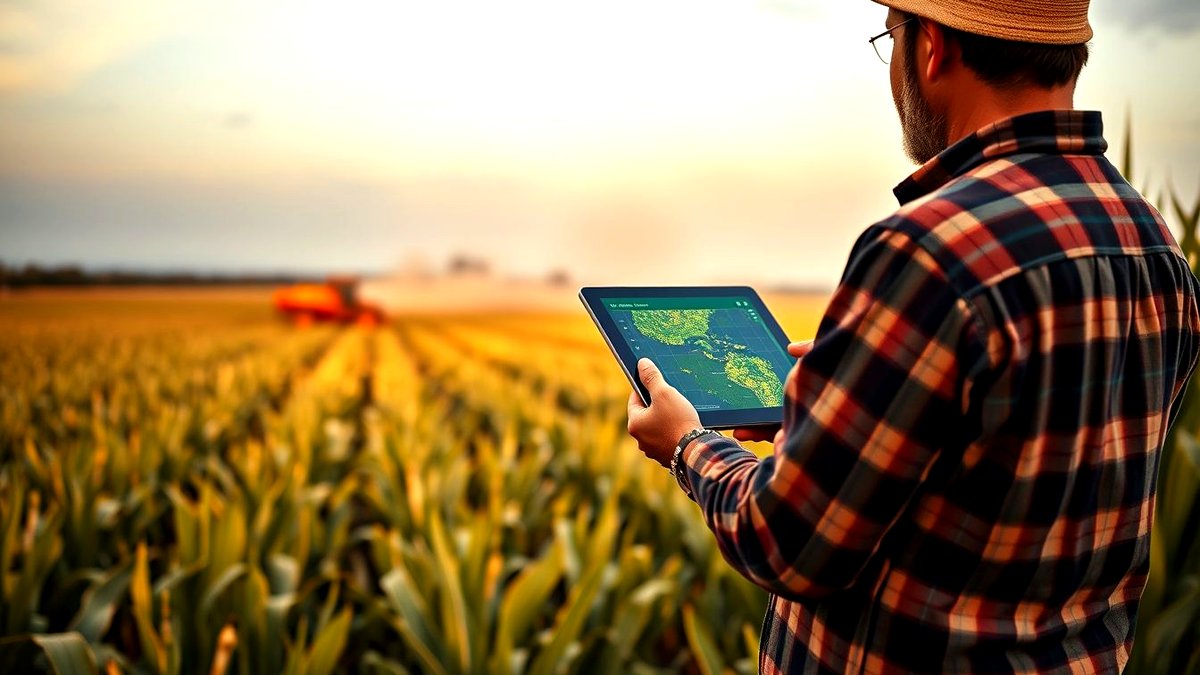
Purdue and University of Illinois researchers compared 400 US farmers with 402 Argentine farmers. In the US, 52% said AI and data tools deliver no meaningful benefit. In Argentina, 21% said that. Production gains led in both countries.
Why it matters: Sellers point at adoption curves. Farmers point at daily use. The gap here is trust and usability, not machinery.
AI Angle: The survey asked farmers directly about AI and data-driven tools, from advisory apps to prediction models.
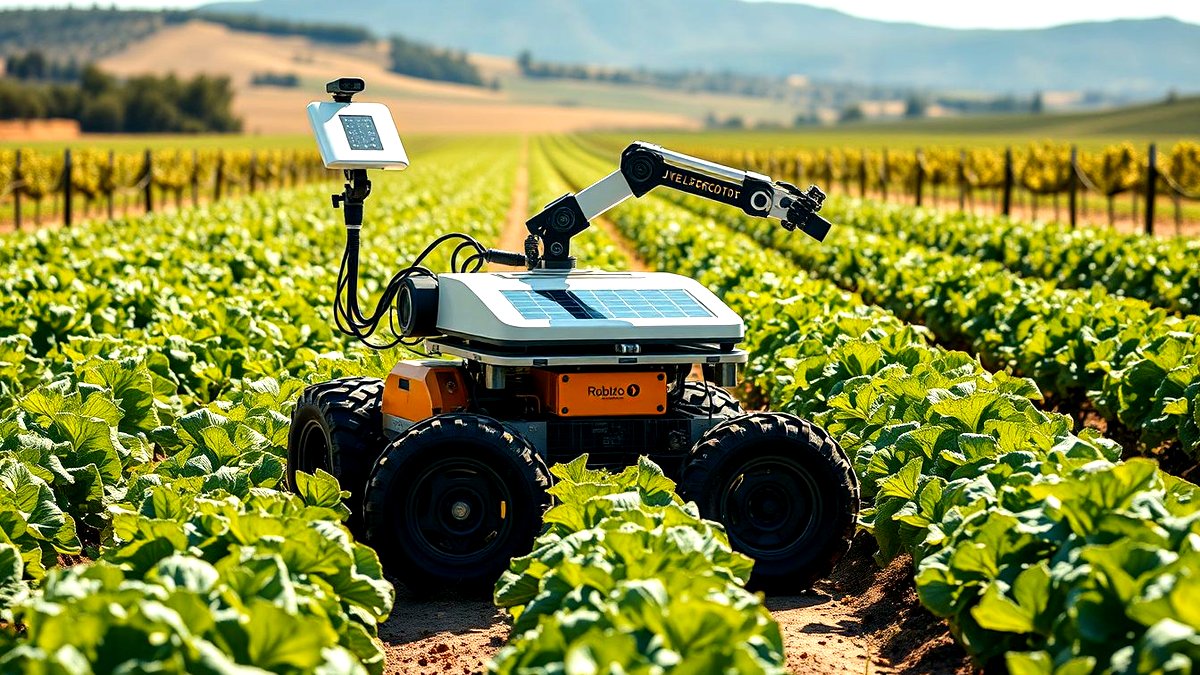
Botmotics built a field robot that finds weeds with a camera and pulls them with an arm. Its recognition model learned from roughly 105,000 plant images. The company says the machine also weighs rain and wind before it leaves the barn.
Why it matters: Spanish horticulture faces labor shortages and rising input costs. A robot that decides when to work needs less supervision, and that is the harder half of autonomy.
AI Angle: A neural network classifies vegetation in real time, and sensor data plus forecasts set the day’s plan.
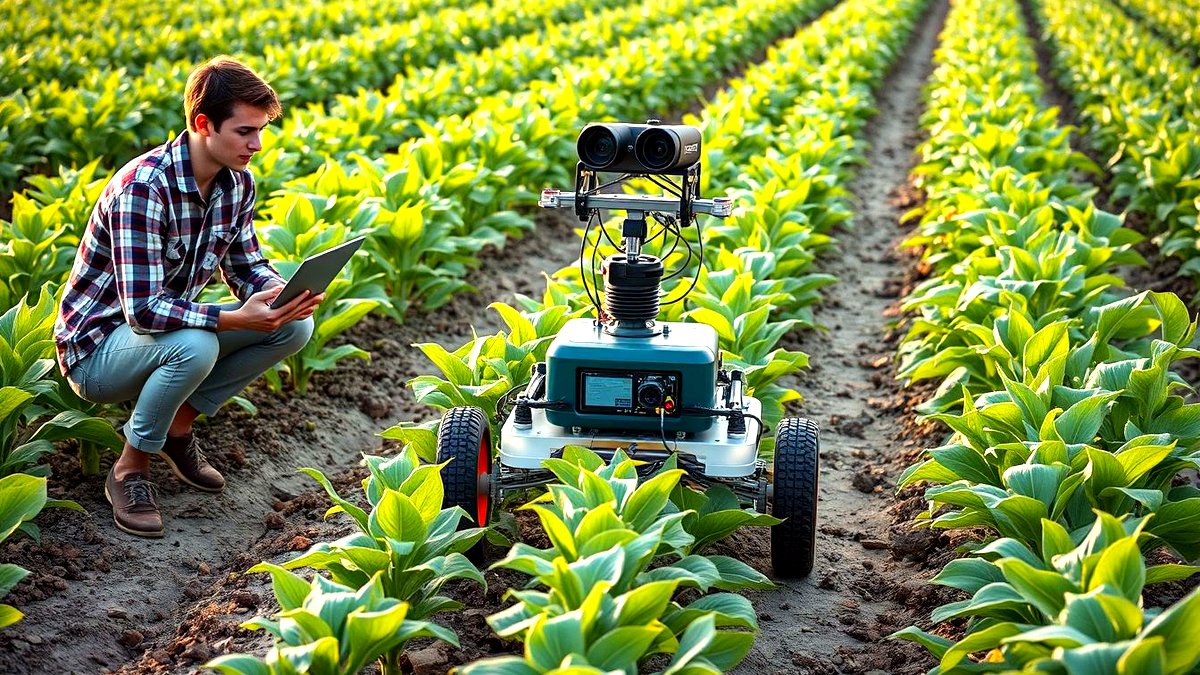
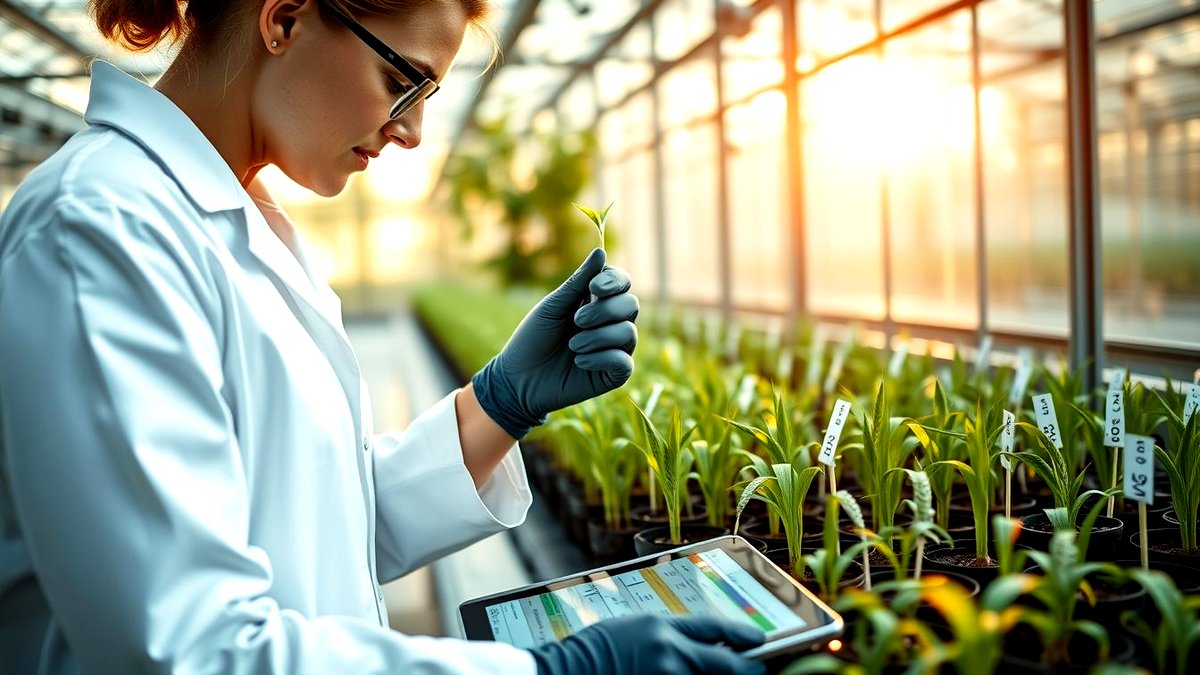
Researchers at Southern Illinois University built a camera robot that predicts soybean disease before leaves show it. Billy Ram leads the team with doctoral student Samuel Singh. They want equipment makers to adopt the method.
Why it matters: Illinois grows more soybeans than any other state, with 43,000 growers. Disease caught early is a spray call. Caught late, it is lost yield.
AI Angle: The team is training computer-vision models to read plant stress that human eyes miss.
Oracle and Oxford spin-out Wild Bio will use cloud and sensor tools to run crop trials that hunt useful traits in wild plants and move them into commercial varieties. The same trials measure how much carbon the crops store.
Why it matters: Carbon claims need field-level proof before anyone pays for them. Cloud infrastructure is now part of the crop research stack, not a back-office cost.
AI Angle: Wild Bio’s platform searches plant genomes for promising traits. Oracle supplies the data pipeline and the analysis layer.
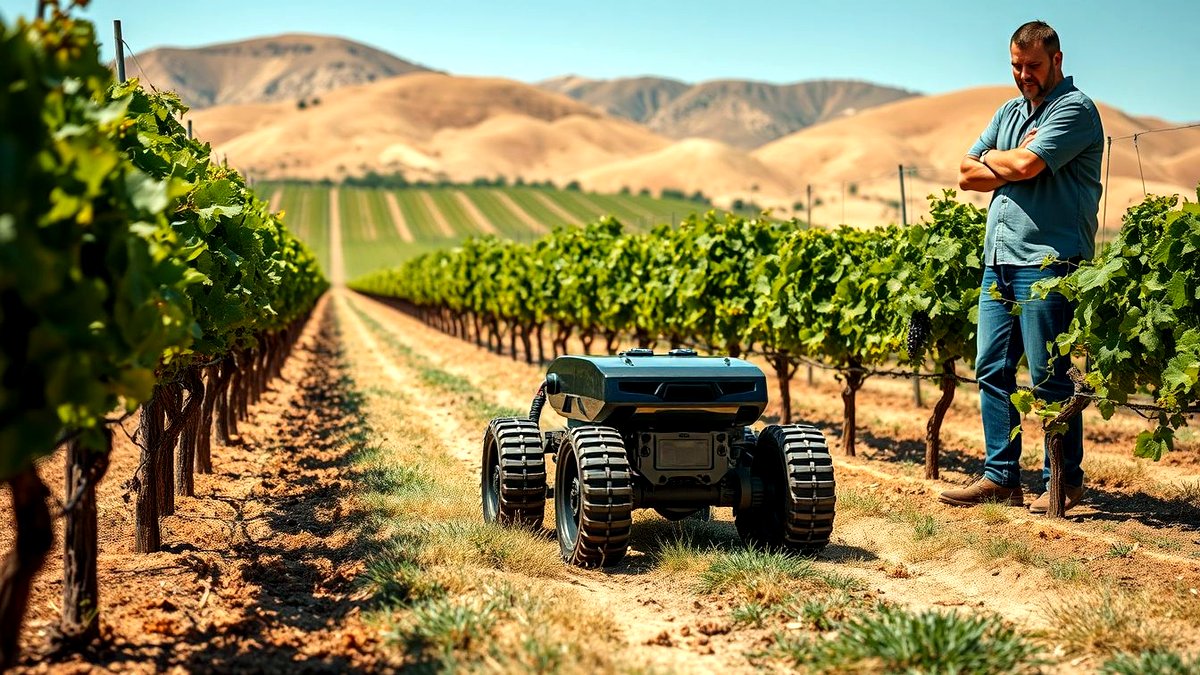
CNH’s robotics lead says labor availability is one of the biggest worries he hears from growers. The company showed its R4 robot for vineyards, orchards and specialty crops. Ferrari describes a shift from simple automation to machines that act on their own.
Why it matters: Trade friction and low crop prices have squeezed grower budgets. Machines that replace a crew are an easier sale than machines that replace a driver.
AI Angle: CNH calls the next step agentic systems, where machines decide and coordinate instead of following a fixed script.
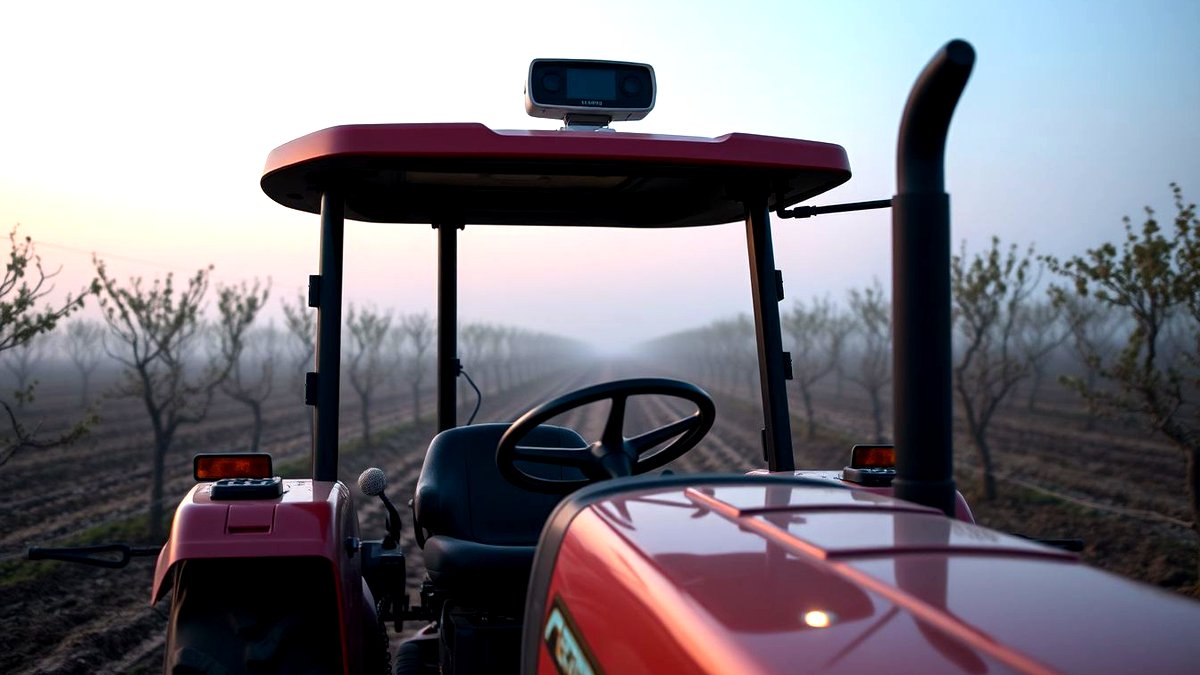
California still requires a person at the controls of self-propelled farm equipment. A late push to change the 1977 rule died in the legislature this month. Growers say the state is losing ground to Iowa and Washington, where autonomous tractors already run.
Why it matters: California grows much of the nation’s fruit, nut and winegrape crop. A rule written for runaway tractors now blocks the equipment those farms need most.
AI Angle: The stalled machines carry cameras, GPS and machine-learning guidance. The fight is over where they may drive, not what they can do.